pristinegist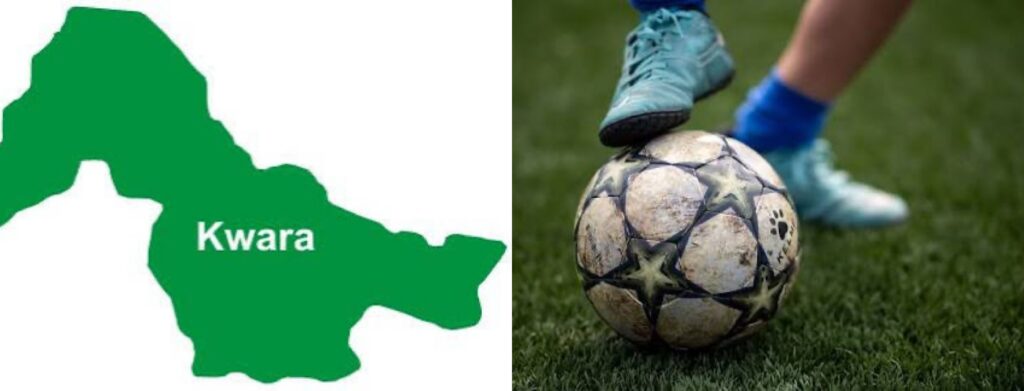
Football Will Struggle in Kwara State if the Right Steps Are Not Taken
Football in Kwara State is at a crossroads. On the surface, the state is one of the most active footballing hubs in Nigeria. With over a thousand raw talents, more than 30 grassroots academies, and at least ten teams playing in the Nationwide League One (NLO), Kwara can rightly be described as a fertile ground for football. Yet the crucial question remains: does all this activity truly translate into youth development and empowerment? If yes, how sustainable is it? If not, who should be held accountable?
Kwara’s demography reveals a huge untapped potential. About 65 percent of its population is youths, and almost half of this group actively engage in sports—football being the most dominant. In a state where both government and private entities operate freely in line with Nigeria’s mixed economic system, one would expect football development to thrive. Anyone can form a team or academy provided the requirements are met, but the reality is that the most powerful platform for football development in Kwara remains 100 percent government-owned.
Since 2019, Kwara United, the state’s flagship club, has enjoyed full sponsorship and support from the state government. Salaries and running costs have been consistently met, which is rare in Nigeria’s football landscape. This is a commendable stride, and it reflects the governor’s genuine passion for youth development through sports. However, the question lingers: Does this investment yield the desired dividends for football development in Kwara State?
The Kwara State Sports Commission sits at the center of this ecosystem. As the supervisory body, its role must go beyond funding allocations. It is expected to monitor, evaluate, and enforce accountability in every sports-related activity. The Commission should ensure that every kobo spent on football reflects directly on youth development, while also creating synergy among associations, clubs, and private stakeholders. If Kwara’s future in football is to be secured, the Sports Commission must act as a regulator, not just a sponsor irrespective of the politics played by any party—placing the future of the youths above the comfort of administrators.
The Football Association (FA), on its part, must shed self-interest and politics. The FA is not meant to be a platform for personal ambition or profit-making; it is supposed to be the heartbeat of grassroots football. It should prioritize scouting, organizing age-grade competitions, and creating structured pathways for young players. If the FA continues to focus on power struggles and internal interests, the state’s thousands of budding talents will remain underdeveloped, and football in Kwara will stagnate.
Kwara United, as the face of the state’s football, must also do more than simply compete in the NPFL. The club should integrate more talented local players into its structure—not just parade them during ceremonial unveilings or friendly games, but give them genuine playing opportunities. A truly developmental club should run youth teams, feeder squads, and mentorship programs. Kwara United must become a symbol of encouragement to the state’s young footballers, proving that there is a pathway from grassroots to professional level within Kwara itself.
At present, Kwara’s football scene is vibrant but fragmented. The proliferation of grassroots competitions, academies, and teams has not been matched with structured scouting programs, monitoring systems, or player welfare frameworks. Many tournaments focus more on trophies than long-term development, creating an illusion of progress while the deeper issues remain unresolved.
For Kwara football to thrive, synergy is non-negotiable. The Sports Commission must prioritize supervision, monitoring, and accountability; the Football Association must put the youths above personal interests; and Kwara United must increase its commitment to developing homegrown talents. Otherwise, Kwara risks becoming a state that is football-active in numbers but football-weak in results.
The time for honest introspection and decisive action is now. If care is not taken, football in Kwara State may fade into decline, and with it, the hopes of thousands of young people whose dreams depend on the game.
Sports journalists in Kwara State also have a critical role to play in reshaping the football narrative. Instead of prioritizing individuals for personal promotion or short-term visibility, the media must act as true watchdogs—championing policies and actions that secure the future of the youth.
Journalists should spotlight accountability, expose lapses in development structures, and push for reforms that align with the interest of young players. When the media focuses more on monetary gains and patronage than on objective reporting, the voices of the thousands of struggling youths are silenced. But if journalists take up their responsibility as advocates for development, they can drive a cultural shift that ensures football in Kwara becomes sustainable, transparent, and truly youth-centered.
If the needful is refused or neglected, the consequences will be dire. Kwara may gradually lose its status as one of Nigeria’s most football-active states, as raw talents will remain unpolished and unexposed. Youths who see football as their future will face frustration, leading many to abandon the game altogether or seek greener pastures in places where opportunities are better structured. Without proper supervision, monitoring, and genuine investment in development, the state risks producing “football tourists” rather than professional athletes—players who participate in endless competitions without progressing to higher levels.
Beyond the field, such neglect could also fuel social problems. For many young people in Kwara, football is not just a pastime but a lifeline. If that lifeline is cut by poor administration and lack of vision, it may push some youths toward crime, drugs, or hopelessness. The government’s investment in Kwara United would then become unsustainable, as the gap between the professional team and the grassroots widens.
Simply put, if stakeholders fail to put youth development at the center of football administration, Kwara’s football will stagnate, and the dreams of thousands of young talents will die silently with it. The time to act is now, before the state loses a generation of players who could have carried its name proudly to national and international stages.
Olaide Ahli Writes from Kwara State
About The Author